

Introduction to Vicariously meaning
Vicariously meaning steps in when a company faces legal trouble because of something an employee or agent did on the job. Even if the employer had nothing to do with the mistake, the business can still get blamed, and that’s a big deal in a lot of industries. That’s why it’s smart to understand what this coverage actually does. Basically, vicarious liability means the boss takes the fall for what the team does while working.
Without the right insurance, a single lawsuit can hit hard not just in fines, but in reputation, too. With solid coverage, though, companies protect their money, stay in line with the rules, and keep things running smoothly. It’s one of those safety nets that lets business owners focus on work instead of worrying about what might go wrong.
What Is Vicariously meaning
Vicarious liability insurance steps in when an employee messes up on the job and someone tries to hold the business responsible . Even if the employer didn’t do anything wrong themselves, they can still get dragged into a law suit just because of what happened on their watch. This kind of coverage helps with legal bills settlements, and any judgments, so companies don’t have to shoulder those costs alone. Its a must-have for businesses where employees deal with the public, handle private info, or work with equipment that could cause problems.
Understanding Vicarious Liability
Vicarious liability means employers are on the hook for what their employees do at work even if the company did everything right in hiring, training, and watching over them. So, if something goes wrong, businesses can still get hit with claims. That’s where employer liability insurance comes in. It covers these claims, so companies don’t have to drain their own funds to handle them. Honestly, backup driver uber accident liability it’s a must-have for any smart risk management plan.
Importance of Vicariously meaning
Vicarious liability insurance gives businesses a safety net when employees make mistakes. Without it, a single claim from something an employee did can drain your finances fast legal bills pile up, and sometimes, that’s enough to shut a company down. This kind of coverage helps you keep the doors open while you deal with lawsuits or settlements. It’s especially important if you’re in healthcare, construction, transport, or education, since those fields see more employee-related claims. In short, it’s not just nice to have; for many companies, it’s what keeps them running when things go sideways.
Vicarious Liability
Vicarious liability means an employer or organization can get held responsible for what their employee do on the job even if the boss had nothing to do with it directly . So, if a staff member messes up or acts carelessly while working, the company can end up on the hook for damages. You see this a lot in places like hospitals, schools, trucking companies, and big corporations anywhere employees deal with the public or clients.
With lawsuits and workplace claims on the rise, business owners really need to get a grip on how vicarious liability works. Its a key part of protecting both their finances and their reputation, whether that’s through solid risk management or making sure their insurance actually covers them.
Who Needs Vicariously meaning
Vicariously meaning is not just for big corporations or certain industries . Any employer whose staff deals with clients, manages sensitive tasks, or acts as the face of the company needs it. Think hospitals, schools, law offices, contractors, delivery services the list goes on. Even small businesses and startups benefit, vicarious learning since their liability policies often cover claims related to what employees do on the job. It’s a smart way to protect your business , no matter the size or field.
Coverage Offered by Vicariously meaning
Vicariously meaning steps in when someone connected to your organization like an employee, temp, or even a volunteer causes trouble. If there’s a third-party injury, property damage, or some kind of financial loss, this coverage helps pay for it. Legal fees? That’s usually covered too. Some policies even help with PR costs if your reputation takes a hit. All in all, it keeps your organization protected when people working for you slip up.
Vicarious Liability Example
Vicarious liability shows up a lot in real life. Picture this: an employee messes up on the job, and it’s the company that ends up in hot water. Take a delivery driver, for example. If they get into an accident while dropping off packages, the company’s on the hook for the damages because the driver was working at the time. Or think about a nurse in a hospital if she makes a mistake while caring for a patient, the hospital can be held responsible for whatever happens. In both cases, the employer didn’t actually do anything wrong themselves, but the law says they’re still responsible for what their people do while working. That vicarious liability in action.
Vicarious Liability in the Workplace
When something goes wrong at work like an accident, harassment, or even a careless mistake sometimes the boss ends up on the hook for it. That’s what people mean by workplace vicarious liability. If an employee causes trouble while doing their job, the company can get dragged in too. These kinds of claims can get expensive fast so smart businesses don’t take chances. They make sure they’ve got solid insurance lined up to handle surprises. Its just part of managing risk.
Vicarious Liability Insurance Coverage
Vicariously meaning is getting a lot more attention these days, especially in the US, where lawsuits against employers are on the rise. Basically, it protects business owners if they get dragged into legal trouble because of something their employees did on the job. Let’s say an employee messes up, causes an accident, or loses money for a client if that happens during work, the boss can still get sued, even if they had nothing to do with it. That where this insurance steps in. It covers things like legal fees, settlements and court judgments, which can get expensive fast.
Industries like healthcare, transportation, construction and corporate services really feel the pressure here, since their employees face higher risks every day. With lawsuits and workplace claims climbing more businesses are making this insurance a top priority. It helps them protect their assets, keep their finances steady, and avoid nasty surprises that could threaten their future.
Vicarious Liability in Professional Services
Vicarious liability hits a lot of professional fields law, finance, healthcare, consulting, you name it. When someone on your team slips up or acts carelessly, the company can get dragged into legal trouble even if the boss wasn’t directly involved. That’s why combining professional liability insurance with vicarious liability coverage matters. It protect the business from all angles covering both the mistakes employees make and the risks that come with running the show.
Vicarious Liability in Insurance
Vicarious liability in insurance kicks in when a business gets held responsible for mistakes its employees make on the job. Instead of the company paying out of pocket, their liability insurance think general or professional liability steps up to handle legal fees, settlements, and any damages a court orders. This kind of coverage matters a lot in fields like healthcare, transportation construction and corporate services, where one slip-up can cost a fortune. With lawsuits from workplace incidents getting more common, more businesses are making sure their insurance covers vicarious liability. It’s become a must-have for protecting companies from the risks that come with having a team.
Legal Implications of Vicarious Liability
Vicarious liability puts the spotlight on how much responsibility businesses carry for what their employee do. Courts usually expect employers to keep a close eye on staff offer solid training, and set clear rules. When businesses follow these laws, they not only avoid costly lawsuits but also build a workplace that treats people fairly.
What Is Vicarious Liability in Insurance
Vicarious liability in insurance means a company takes the financial hit if one of its employees acts carelessly on the job even if the company it self didn’t do anything wrong. Basically, if an employee messes up while working, the employer’s insurance usually covers the legal costs, settlements, or any court-ordered payments. You’ll find this kind of protection built into most general liability, professional liability, or employer liability policies.
It’s a big deal for businesses where employees deal with clients, patients, or the public, liability adequacy test since that’s where things can go wrong most often. When business owners actually get what vicarious liability means, they’re better prepared to handle risks and protect themselves from lawsuits tied to what their employees do.
Exclusions in Vicariously meaning
Vicariously meaning doesn’t cover everything. It usually leaves out things like actions that happen outside someone’s job duties, intentional wrongdoing, crimes, or any issues that already existed before the policy started. Knowing these gaps really matters when you’re picking a policy. Good risk management means making sure employees know what’s expected of them and where the lines are, so you’re less likely to run into claims your insurance won’t cover.
Cost of Vicariously meaning
Vicariously meaning prices depend on things like how big your business is, what industry your in how many people you employ, and how much risk you deal with. If you’re running a company in a high-risk field or you have a big team, expect to pay more for coverage. You can keep your premiums down by putting strong internal controls in place, training your staff well, and sticking to solid compliance programs. All of that helps lower your overall risk, which insurers like to see.
Vicariously meaning Definition
Vicariously meaning steps in when a business gets blamed for something an employee does on the job usually something careless or negligent. Even if the company didn’t do anything wrong itself, the law says it can still end up responsible for the fallout. This insurance takes care of things like legal bills, settlements, or any money a court says the business has to pay because of what an employee did. You often find this coverage bundled into general liability or professional liability policies. Its a big deal for companies in risky fields where one bad decision by an employee can cost a fortune.
Benefits of Vicarious Liability Insurance
Vicariously meaning gives businesses a real safety net. If a legal claim pops up because of something an employee did, the company doesn’t have to scramble or put everything on hold. There’s financial protection, sure, but also less stress leaders can focus on running the business without constant worry. It helps meet legal requirements, too, so there’s no nasty surprise from regulators. Plus having this coverage shows clients and partner that the company takes risk seriously and protects its reputation. In the end its smart risk management that keeps organizations steady even when things get messy.
Vicariously meaning for Small Businesses
Small business Vicariously meaning gives startups and small companies a real safety net, especially when there’s not a big legal budget to work with. This coverage steps in when an employee’s actions land the business in trouble, shielding founders and owners from taking the financial hit. By adding vicarious liability to your general business insurance, you make your risk management a whole lot stronger.
Vicariously meaning for Small Businesses
If you run a small business in the US, you can’t ignore Vicariously meaning these days. Lawsuits tied to what happens at work just keep climbing. Even when you’re not the one who made the mistake, the law can still put the blame and the bill on you if your employee messes up on the job. That’s where Vicariously meaning steps in. It covers your legal bills, settlements, and whatever a court might decide you owe. Some industries get hit harder than others.
If you’re in delivery, healthcare, real estate, or contracting, you see this kind of risk all the time. All it takes is one lawsuit, and suddenly you’re buried in costs that could threaten your whole business. With lawsuits on the rise and compliance rules tighter than ever, more business owners are getting this insurance. It’s become more than just a good idea it’s a smart move if you want to protect your future and keep your business running strong.
Integration With Other Business Insurance
When you combine Vicariously meaning with general liability, professional liability, and employer liability coverage, you end up with a solid risk management plan. This mix protects your business from all sorts of claims. Plus, bundling these policies together makes things simpler less paperwork, less hassle. It just makes managing insurance easier and more effective.
Risk Management Practices to Reduce Claims
Good risk management isn’t just about rules on paper. It means training your people well, keeping a close eye on daily operations, and making sure everyone knows exactly how things should run. Clear lines of communication matter, too. When you focus on all this, you lower the chances of incidents that spark vicarious liability claims. Honestly, teaching employees to spot and handle risks is key if you want a workplace that’s both safe and compliant.
Claims Process in Vicariously meaning
When you file a Vicariously meaning claim, the first step is to let your insurer know right away. Then, you’ll need to send in any paperwork they ask for and give them space to look into what happened. This kind of coverage usually takes care of your legal fees, settlements, and any court-ordered payments. When claims get handled quickly your business deals with less hassle and you get everything sorted out faster.
Vicariously meaning for Restaurants
Running a restaurant or foodservice business in the US comes with real risks, especially when it comes to what your employees do on the job. Even if you’re not the one who made a mistake, you’re still on the hook if something goes wrong like a staff member causing an accident or making a careless error during their shift. Thats where Vicariously meaning steps in. It covers your legal bills, any settlements, and court judgments if someone sues over something your team did.
With lawsuits rising think slip-and-fall accidents, food safety slipups, or customers getting hurt the need for this kind of insurance has never been higher. The right coverage gives restaurant owners peace of mind. You can focus on running your business, knowing your protecting your staff, your customers and your bottom line.
Future Trends in Vicarious Liability Insurance
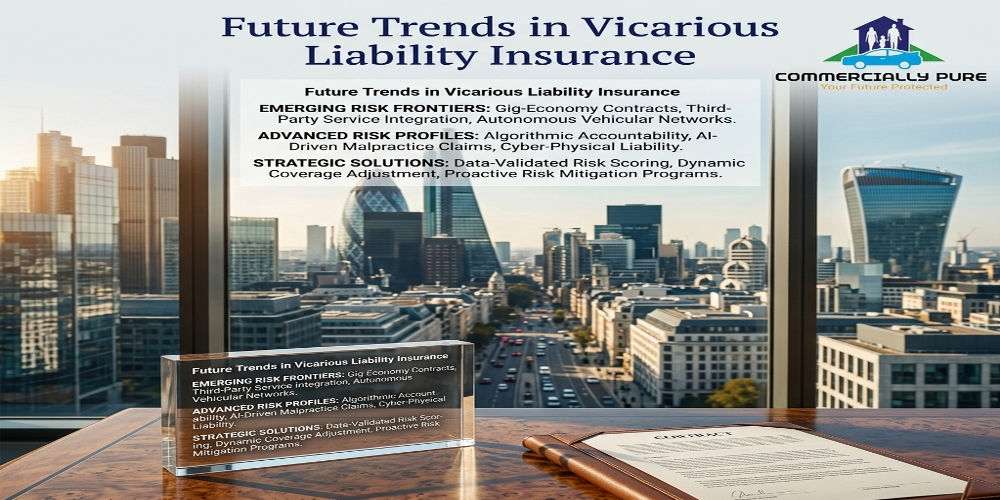
Vicarious liability insurance is changing fast. Now, companies are using digital tools to keep an eye on employee activities, and they’re tying this coverage to cybersecurity. There also more focus on protecting professionals who work with knowledge instead of physical goods. As the workplace keeps evolving, businesses are looking for smarter ways to manage new risks and stay ahead of threats tied to how people work.
Why Vicariously meaning Matters
Vicariously meaning matters more than most people realize, especially for today’s business. It keeps your finances safe, protects your reputation and lets you work without constantly worrying about what could go wrong even in risky situations. If you want your business to last, you need to think ahead with solid insurance and smart risk management.
Vicariously meaning Pros and Cons
Vicariously meaning steps in when a business gets blamed for something an employees did on the job. It covers legal bills settlements and court judgment so companies do not have to drain their own funds or see their reputation take a hit. This kind of insurance matters even more in industries where mistakes can turn into lawsuits overnight, which is why so many growing businesses look for it. Still, it’s not all upside.
Premiums run high, and the policies don’t always cover everything if someone acts on purpose or the claim shoots past the coverage limit, the business is on its own. Even with those downsides, plenty of companies see Vicariously meaning as a must-have for handling risk and keeping their finances steady in the long run.
Conclusion Vicarious Liability Insurance
Vicariously meaning is a lifesaver for businesses. If an employee makes a mistake on the job and the company gets blamed, this insurance steps in to cover things like legal costs, settlements, and court judgments. These days, lawsuits pop up all the time, so having this kind of coverage really matters. Sure, the premiums can be pricey and there are some things it won’t cover, but the peace of mind is worth it. As companies grow and things get more complicated, more and more business owners see vicarious liability insurance as a must-have. Its keeps the company stable and helps protect its reputation when things go wrong.
FAQS
Q1: What is vicarious liability insurance?
Vicarious liability insurance protects businesses from claims arising from the actions of employees or agents.
Q2: Who needs vicarious liability insurance?
Employers across all sectors, including healthcare, education, law, and construction, need this coverage.
Q3: What does vicarious liability cover?
It covers bodily injury, property damage, legal defense costs, and sometimes reputational harm caused by employees.
Q4: Is vicarious liability insurance mandatory?
It is not always legally required but is highly recommended for risk management.
Q5: Does it cover intentional acts by employees?
Generally, intentional illegal acts are excluded from coverage.
Q6: How much does vicarious liability insurance cost?
Costs depend on business size, industry, employee count, and risk exposure.
Q7: Can small businesses get vicarious liability insurance?
Yes, tailored policies exist for small and medium sized enterprises.
Q8: Does it cover freelancers or contractors?
Coverage usually applies to employees; contractors may require separate agreements.
Q9: How can businesses reduce premiums?
Implementing training, supervision, and compliance programs can lower risk and premiums.
Q10: Why is vicarious liability insurance important?
It protects financial assets, maintains legal compliance, and ensures business continuity in case of employee related claims.