

Introduction to insurance verification specialist
Insurance verification specialists keep everything running smoothly between patients, healthcare providers, and insurance companies. They’re the ones making sure everyone has the right info about coverage and benefits. Thanks to them, billing gets sorted out faster, claim denials drop, and patients know what’s covered before they walk through the door. If you’re thinking about this career or you run a healthcare organization it’s good to know what these specialists actually do.
Basically, they’re the go-between for doctors and insurers. Their job is to get the details straight so billing mistakes don’t happen, payments come through on time, and claims don’t get denied for silly reasons. They check coverage, co-pays, deductibles and all the little policy details that matter. That way, patients and providers can figure out care and costs without any nasty surprises.
Insurance Verification Specialist Job Description
An insurance verification specialist checks that a patient’s insurance is current and correct prior to any service delivery. They look up eligibility, confirm what the policy covers, check on coverage limits, and figure out things like co-pays, deductibles, or if you need prior authorization. They spend a lot of time calling insurance companies or using online systems, then update patient records and make sure both patients and healthcare staff understand what’s covered and what’s not.
Besides all that, they keep detailed records, sort out any mistakes in insurance info, and help stop claim denials by making sure everything is right before treatment starts. To do this job well, dental bone graft specialist you really need to pay attention to the details, stay organized, and know your way around medical billing. When insurance verification specialist do their job right and on time, billing goes smoother, healthcare organizations get paid faster, and everyone’s finances stay on track.
What Does an Insurance Verification Specialist Do
Insurance verification specialists double check patient insurance info and make sure everything lines up before anyone gets care. They confirm if a patient’s covered, figure out what the policy actually pays for, and talk to insurance companies if something doesn’t add up. Their work keeps the revenue flowing no surprises, no denied claims, and faster payments. On a day-to-day level they look up policy numbers, check copays, confirm pre-authorizations, and update patient records so everything’s accurate and up to date.
Advanced Insights on Insurance Verification Specialist
Insurance verification specialists do a lot more than just check if someone’s insurance is valid. They dig into complicated insurance policies spot any gaps in coverage and work with different insurance companies to get billing right and limit claim denials. These folks handle pre-authorizations, specialist in back problems juggle tons of patient data and make sure everything lines up with HIPAA and other rules. You’ll find them teaming up with billing, coding, and patient care teams, all to keep the revenue flowing and protect healthcare providers from financial trouble.
And with telehealth, EHRs, and automated insurance systems taking off, healthcare needs people who can handle new tech without missing details. The best specialists blend sharp analysis with real healthcare know-how and a serious eye for detail. Because insurance keeps getting more complicated, and mistakes are costly, these specialists aren’t just helpful they’re absolutely essential now and in the years ahead.
Career Growth and Opportunities
Working as an insurance verification specialist opens the door to real career growth. Healthcare insurance rules get more complicated every year, so people who can make sense of all that and double-check patient coverage are more important than ever. You might start out as a new verification specialist, but there’s plenty of room to move up to billing coordinator, revenue cycle manager, or even running a medical office someday. With telehealth and electronic health records becoming the norm, specialists who can juggle different insurance plans, keep up with authorizations, and fix problems fast are a hot commodity.
Hospitals, clinics, and insurance companies all want certified pros who can make the revenue cycle run smoother and cut down on those annoying claim denials. That steady demand means you get job security, chances to specialize, take on leadership roles, and earn more as you go. Beyond the paperwork insurance verification specialists play a big part in keeping healthcare organizations financially healthy. They also make life easier for patients, helping them understand what’s covered, what their deductibles are and what they actually have to pay. In today’s health care world, that kind of expertise isn’t just helpful it’s essential.
Skills Required for an Insurance Verification Specialist
Insurance verification specialists need to pay close attention to detail and communicate clearly there’s no way around it. They work with medical billing software all the time, so being comfortable with tech is a must. These folks spend their days digging through insurance policies, spotting mistakes, and talking things through with patients and insurance reps. They have to know their medical terminology and all those coding systems inside and out plus keep up with healthcare regulations. On top of all that, they need strong problem solving skills the ability to juggle multiple tasks, and a knack for navigating complicated insurance rules without losing accuracy or falling out of compliance.
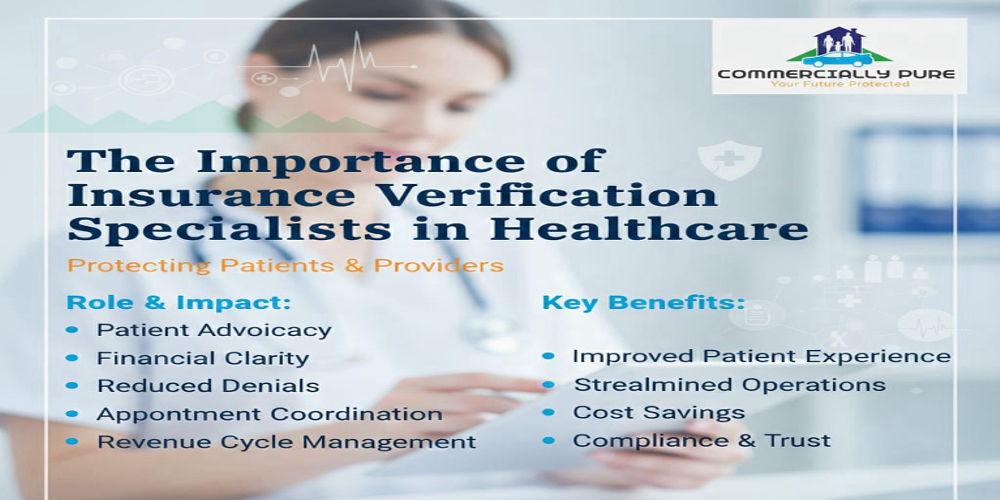
The Importance of Insurance Verification Specialists in Healthcare
Insurance verification professionals ensure the health care system work optimally. They catch billing mistakes, stop claims from getting denied, and make sure patients know what things will cost before any treatment happens. When they do their job right, clinics and hospitals get paid on time and don’t have to chase after money. Patients get a huge benefit, too they find out exactly what their copays and deductibles will be, and which services their insurance actually covers. That way, nobody’s left with surprise bills or puzzling insurance statements.
Insurance Verification Specialist Job Duties
An insurance verification specialist makes sure patient insurance details are correct and current before anyone gets treated. They check if a patient’s coverage is active, look at the fine print of each policy, figure out co-pays and deductibles, and see if anything needs pre-approval. You’ll find them on the phone with insurance reps, talking to patients, and working with doctors’ offices all to stop claim denials and avoid billing headaches.
They keep records straight, update files in the billing system, and sort out any issues with insurance benefits. This job takes sharp attention to detail, a solid grip on medical terms, and a real understanding of how insurance works. When they do their job right, it saves the healthcare facility money, speeds up payments, and makes life a whole lot easier for everyone involved.
How Insurance Verification Specialists Verify Coverage
Insurance verification specialists make sure patients have the coverage they need before treatment starts. They call insurance companies, look over policy documents, and double-check patient eligibility. They dig into the details active policies, coverage dates, benefit limits, and whether you need pre-authorization. Sometimes they use online tools, sometimes they talk directly with insurance reps. Their work gives doctors and patients clear answers up front. That means fewer denied claims and happier patients all around.
Insurance Verification Specialist Responsibilities
Insurance verification specialists make sure patient insurance details are correct and up to date. They check if pre authorization is needed, look for any coverage limits and keep everyone patients and healthcare staff in the loop about what the insurance covers and what it doesn’t. These specialist help the billing team by giving them the right insurance info so claims donot get rejected for simple mistakes. They also take care to follow HIPAA rules and protect patient privacy every step of the way.
Tools and Technology Used by Insurance Verification Specialists
Insurance verification specialists rely on tech like electronic health records, billing software, insurance portals, and automated systems to get their work done. These tools make the whole verification process faster and cut down on mistakes. With the right software, specialists can easily check eligibility, coverage limits, copays, deductibles, and any policy changes. Technology lets them handle tons of verification tasks without losing accuracy or slipping up on compliance.
Challenges Faced by Insurance Verification Specialists
Insurance verification specialists run into all kinds of headaches. They have to make sense of complicated insurance policies and navigate information that often appears inconsistent. On top of that, there’s always a pile of requests coming in at once. Each insurance company sets its own rules, coverage details, and paperwork demands, card verification value american express so nothing ever feels straightforward. Talking to patients adds another layer most people don’t really understand their own policies, which makes every conversation a bit of a challenge. To keep things running smoothly and avoid mistakes, these specialists need sharp people skills, a lot of patience, and a serious eye for detail.
Career Opportunities for Insurance Verification Specialists
If you’re looking for a job as an insurance verification specialist, you’ve got plenty of options. Hospitals, clinics, doctor’s offices, and health insurance companies all need people in this role. Once you get some experience, you can move up to jobs like billing coordinator, revenue cycle manager ,or even medical office manager. Picking up certifications in medical billing, coding, or insurance verification really boosts your chances, too. This career path is steady, has solid growth potential, and let’s be real it’s a pretty important job in healthcare.

Insurance Verification Job Descriptionhttps://tplinsurance.com/products/health-insurance/
An insurance verification specialist checks that every patient’s insurance info is correct before anyone gets care. They dig into policy details, figure out if someone’s covered double check co-pays and deductibles, and sort out what needs authorization. This job means talking with insurance companies, healthcare providers, and patients basically, making sure there aren’t any surprises that could lead to denied claims or billing headaches later.
They keep records up-to-date in the billing system, sort out any mismatched coverage details, and make sure everything lines up with healthcare laws and company rules. You need sharp attention to detail, strong organizational skills, and you really have to know your way around insurance terms to do well here. At the end of the day, mea verification their work cuts down on financial risks for healthcare organizations helps get bills paid more accurately, and makes things less stressful for both providers and patients.
Salary and Job Outlook
How much do insurance verification specialists make? It really depends on where you work how much experience you have, and the kind of organization you’re with. In general, the pay is solid, and you usually get decent benefits. If you land a job in a big city, a large hospital system, or an insurance company, you’ll probably make even more. There’s steady demand for these specialists healthcare isn’t getting any simpler, and billing has to be right. People in this role keep everything running smoothly so it’s a stable job with good prospects. If you’re looking for a career that matters and offers some security, this one’s a solid pick.
Education and Certification Requirements
To work as an insurance verification specialist you usually need a high school diploma or something similar. Some employers look for people with extra schooling in healthcare administration medical billing, or a related area. Certifications like Certified Insurance Verification Specialist (CIVS) or medical billing credentials make you stand out and help you land a job. Training often covers medical coding, electronic health records, and HIPAA rules. And honestly, you’ve got to keep learning regulations and insurance policies change all the time, so staying up to date is just part of the job.
Impact of Insurance Verification Specialists on Healthcare Providers
Insurance verification specialists make a real difference for healthcare providers. They cut down on denied claims, help keep patients happy, and keep the revenue cycle running smoothly. When these specialists handle verification the right way, healthcare staff can actually focus on their patients instead of getting bogged down in insurance headaches. They also spot coverage gaps, catch pre-authorization needs, and flag billing mistakes before they turn into bigger problems. At the end of the day their value shows up in fewer financial risks for providers and better compliance with all those insurance rules.
Tips for Becoming a Successful Insurance Verification Specialist
If you want to get really good at insurance verification, start by learning the ropes of medical billing. Know your way around insurance policies, too they’re always changing, so you have to keep up. Communication matters a lot. You’ll spend plenty of time talking to both patients and insurance reps, so being clear and friendly helps everything go smoother. Details count. Little mistakes can turn into big problems, so double-check your work and get comfortable using verification software.
Don’t just treat insurance reps like nameless voices build some rapport. It makes everything easier, especially when you run into tricky claims. Staying organized helps you juggle all those cases, and honestly, patience is a huge part of the job. Things don’t always move fast. Accuracy matters more than speed, and you’ll always have something new to learn as healthcare rules keep shifting. Just keep learning, stay sharp, and you’ll find your rhythm.

Evolving Role in Healthcare Systems
An insurance verification specialist does a lot more these days than just check if someone’s covered. They play a big part in making sure billing is accurate, claims don’t get denied, and the whole revenue process runs smoothly for healthcare organizations. Every day they dig through insurance policies, double-check eligibility, keep an eye on pre-authorizations, and sort out issues by talking with different insurance companies. With all the new twists in insurance plans, digital records, and telemedicine, there’s a real need for people who know what they’re doing in this role.
Healthcare providers count on these specialists to stop financial losses, stay on top of HIPAA rules, and help patients actually understand what their coverage, deductibles, and co-pays mean. The ones who stand out usually have sharp analytical skills, know their way around electronic billing, and can communicate clearly. That mix makes them not just important but pretty much essential in today’s healthcare world.
Remote Insurance Verification Jobs
Remote insurance verification jobs let you work from home and handle important billing and administrative tasks for hospitals, clinics, and insurance companies. As an insurance verification specialist, you check a patient’s eligibility, review their coverage, confirm benefits, and figure out what they owe like co-pays and deductibles before they get care. You’re constantly in touch with insurance companies and patients using secure phone lines or online systems to keep everything accurate and up to date. To do this job, you need sharp attention to detail, a good handle on medical terms, and you’ve got to know your way around insurance billing software and electronic health records.
Time management and communication really matter, especially when you’re not sitting in an office with your team. The remote setup usually means flexible hours, no commute, and a better work-life balance, which is a big plus for a lot of people. When you verify coverage details correctly, you help cut down on denied claims and boost reimbursement rates. That keeps healthcare organizations financially healthy and you get to do it all from your own home.
Impact on Healthcare Efficiency
Insurance verification specialists keep things running smoothly in healthcare. They make sure a patient’s insurance details are correct before anyone gets treatment, which stops claim denials and payment delays that can mess with a clinic’s cash flow. Every day, they check coverage, co-pays, deductibles, and whether pre-authorization is needed. They’re not just number crunchers they’re the go-between for patients, insurance companies, and medical staff. Patient look to them for help understanding their benefits and providers rely on them to lighten the paperwork load.
With healthcare going digital and insurance rules getting trickier, these specialists are more in demand than ever. Hospitals and clinics want people who can handle all kinds of insurance platforms, follow HIPAA rules, and keep financial risks low. Their work protects healthcare providers from losing money and helps patients avoid surprise bills, so treatment gets started on time. Honestly, if you’re looking for a career that matters and isn’t going anywhere, this is it. Insurance verification specialists are needed everywhere from big hospitals to small clinics and insurance companies.
Insurance Verification Training
Insurance verification training gets you ready for the real work of an insurance verification specialist, whether you’re in a hospital, clinic, or insurance office. You dive into medical terms, learn about different insurance plans, figure out how to check if someone’s covered, and get the hang of things like prior authorizations and billing software. Sometimes it’s a structured course, sometimes you pick it up on the job but either way, you learn how to confirm coverage, review benefits, and spot co-pays and deductibles before a patient even walks in for care. But it’s not just about the technical stuff.
Good training spends time on communication, paying attention to details, and sticking to the rules and regulations that come with healthcare. Since you’re always talking to insurance companies and patients, you’ve got to know how to handle people’s private info the right way. Most programs also give you some hands-on time with electronic health records and insurance portals, so you’re not lost when you start working for real. When you’re well-trained, you help stop claim denials, make the reimbursement process smoother, and keep the finances of a medical office or hospital in good shape.
Industry Importance and Demand
Insurance verification specialists play a key role in healthcare. They check patients’ insurance coverage, make sure everyone’s eligible, and keep the lines open between doctors and insurance companies. But it’s not just paperwork they keep claim denials down, cut back on mistakes, and help hospitals, clinics, and practices get paid faster. With all the tangled insurance policies out there, plus patients juggling more than one plan, these specialists matter more than ever. Healthcare organizations look for people who really know their way around different insurance systems, can interpret the fine print, handle pre-authorizations, and keep records in line with HIPAA rules.
They don’t just protect clinics and hospitals from losing money they make it easier for patients to understand their coverage, co-pays, and what they’ll owe out of pocket. And as telehealth, electronic health records, and automated insurance tools become the norm, people in this role need sharp technical skills, clear thinking, and the ability to explain things well. The best ones keep everything running smoothly and make modern healthcare work the way it should.
Conclusion Insurance Verification Specialist
An insurance verification specialist keeps the gears turning in both healthcare and insurance. Their job? Make sure coverage details are spot-on before any treatment happens. They check patient eligibility, confirm benefits, and talk with insurance companies all the things that stop billing mistakes or claim denials from wrecking everyone’s day. When they get it right, bills go out accurately, claims get approved, and clinics stay afloat.
The work takes sharp focus, solid organization, and a real handle on insurance rules and medical terms. Some specialists work in hospitals, others from home, but in either case, they make life smoother for both patients and providers. Healthcare keeps expanding, so the need for good insurance verification specialists isn’t going anywhere. It’s a career you can count on.
FAQS
Q1: What is an insurance verification specialist?
An insurance verification specialist is a professional who confirms patient insurance eligibility, coverage, and benefits before healthcare services are provided.
Q2: What skills are needed for this role?
Key skills include attention to detail, communication, knowledge of medical billing, insurance policies, and problem solving abilities.
Q3: What industries hire insurance verification specialists?
Hospitals, clinics, physician offices, and insurance companies hire these specialists.
Q4: Do insurance verification specialists need certification?
Certification is not always required but can improve job prospects. Relevant certifications include CIVS or medical billing credentials.
Q5: How does this role impact patient care?
By verifying coverage and benefits, specialists reduce delays, prevent denied claims, and provide clarity on medical costs for patients.
Q6: What tools do insurance verification specialists use?
They use electronic health records (EHR), medical billing software, insurance portals, and automated verification systems.
Q7: What is the average salary for an insurance verification specialist?
Salaries vary by location and experience, but specialists earn competitive wages with potential for growth in large healthcare networks.
Q8: What challenges do insurance verification specialists face?
Challenges include complex policies, inconsistent information, high workloads, and patient communication issues.
Q9: Can insurance verification specialists advance their careers?
Yes, they can progress to billing coordinator, revenue cycle manager, or medical office manager positions.
Q10: Why are insurance verification specialists important in healthcare?
They ensure accurate insurance information, prevent claim denials, improve revenue cycles, and help patients understand coverage, making them essential to the healthcare system.